What Can You Do To Speed Up The Recovery Process After Rhinoplasty?
The patient who is looking forward to seeing the outcome of their rhinoplasty as soon as possible is presented with some methods that can be applied to speed up the healing process. First of all, the patient should be aware that the full recovery period after the operation can take up to a year.
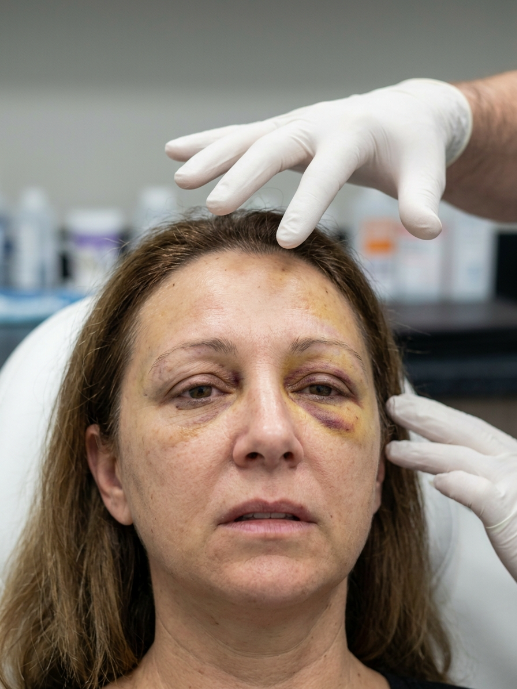
Following the rhinoplasty in other words aesthetic nasal surgery, it is normal to have mild and moderate pain that can be controlled with pain medication. This pain and the discomfort you feel are relieved after 72 hours. Surgery related oedema and regional bruises are also quite normal. These symptoms will return to normal over time as they increase on the second day following the operation. The symptoms and recovery period will vary from person to person.
While the splint in your nose removed in a week, the bruises will decrease in this period and you will be able to return to your daily life in a week or two. While edema decreases in the second week, bruises disappear completely. Within a month, the patient can return to basic individual exercise activities and participate in his daily exercises safely. Within six weeks, the bones in your nose settle and you can start wearing glasses. Numbness on your nasal skin will disappear in six months. In one year, all edema on the face will go away and your nose shape will become apparent.
There are some tips you can take to speed up this one-year process and recovery steps:
It is important to keep your head upright for at least six weeks to reduce edema and bruises. Otherwise, bruising and edema may increase and prolong your recovery process. You should keep your head and heart high and reduce risk by using two or three pillows while sleeping. If you sleep without keeping your head high, not only edema and bruises will increase, but even the shape of your nose may be affected. It is also important that someone provide assistance by giving you an arm as you walk around the house.
The cold compress you will apply after rhinoplasty will reduce edema. Edema and bruising may be seen especially in the nose, upper lips, around the eyes and cheeks, but will decrease spontaneously in ten days. It is important to continue this practice for 72 hours on your cheeks and not to touch your nose. Ice bags will also help your pain relief.
After rhinoplasty, bed rest is needed, you should speed up your healing process by getting plenty of rest. Although nasal congestion makes it difficult for you to fall asleep, try to sleep seven to eight hours every night. Avoid excessive talking, laughing, chewing or strenuous activities; You should protect your nose against impacts and bumps.
Make sure to eat light and warm dishes after the operation. Try not to consume hot liquids for a few days. To prevent nausea and vomiting, light meals should be preferred and consumed in small portions If necessary, medication can be used for nausea and vomiting. It is important to follow a balanced diet rich in vegetables and fruits. As long as the body receives the necessary vitamins and minerals, it will recover and heal faster. In addition, protein-rich foods have an important role in repairing your skin, muscle and cartilage structure. If you have constipation problems, don’t forget to ask doctor for medication.
After the bandages are removed from your nose, you can breathe, but you should not blow through the nose for SIX MONTHS. If feel like sneezing, try to prevent this and open your mouth to let it pass.
Soften the nostrils with ointments to heal the scabs. Be careful when brushing your teeth, numbness in this area can sustain for several months.
Hot presses, hot showers, hot drinks and sauna can increase edema. You should also stay away from the sun. The sun can cause your scar to become prominent, increase edema, and cause marks. Also, be careful not to do exercises requiring body strength such as lifting weights, stretching, and bending. Since the healing of the bones will take six weeks, you should avoid strenuous exercises in this process.
After rhinoplasty you should be careful not to wear glasses afterwards; pressure on the nose caused by glasses will cause extra edema and bruising. If you want to speed up your recovery in this process, you should listen to your doctor’s recommendations and follow his/ her recommendations..
What Can You Do To Speed Up The Recovery Process After Rhinoplasty?
Understanding the Biological Timeline of Rhinoplasty Recovery
Undergoing a rhinoplasty (nose job) is a transformative experience that combines surgical precision with artistic vision. However, the surgery itself is only the first step in achieving your desired aesthetic and functional goals. The healing phase is where the true results take shape. To understand what can you do to speed up the recovery process after rhinoplasty, one must first understand the biological phases the body undergoes after such a procedure.
The recovery process is generally divided into several stages: the inflammatory phase, the proliferative phase, and the remodeling phase. During the first few days, the body’s primary focus is on managing trauma and initiating the inflammatory response. This is when swelling and bruising are most prominent. Following this, the body begins to repair tissues and strengthen the nasal structure. Finally, the remodeling phase can last up to a year or more, as the fine details of the nose settle and the final shape is revealed. By following a structured recovery plan, patients can significantly minimize downtime and enhance the quality of their healing.
The Critical Role of the First 72 Hours
The first three days following your surgery are the most critical for managing the foundation of your recovery. During this time, the surgical trauma is fresh, and the vascular system is reacting to the changes made to the bone and cartilage. To effectively speed up the recovery process, your primary focus should be on minimizing blood pressure in the facial area and reducing the severity of initial edema.
Elevation: The Power of Gravity
One of the simplest yet most effective methods to reduce facial swelling is keeping your head elevated. When you lie flat, blood flow to the face increases, which can exacerbate swelling and lead to a throbbing sensation. For at least the first week, you should sleep with your head at a 45-degree angle, using extra pillows or a reclining chair. This allows gravity to assist in draining fluids away from the nose, preventing the buildup of post-operative edema. For more detailed insights on managing this phase, you can refer to our guide on the Rhinoplasty recovery process prevent swelling and bruising.
Cold Compresses and Ice Packs
Applying cold compresses to the areas surrounding the nose—specifically the cheeks and under the eyes—during the first 48 to 72 hours can significantly constrict blood vessels and limit the spread of bruising. It is vital to remember never to apply ice directly to the nose itself, as the pressure can shift the delicate nasal bones or cartilage, and the extreme cold can damage the skin while it is in a compromised state. Instead, use a soft bag of frozen peas or a dedicated cold pack wrapped in a cloth, applying it for 20 minutes at a time.
Nutritional Strategies for Faster Healing
What you put into your body is just as important as how you treat the surgical site. A pro-healing diet can provide the building blocks necessary for collagen production and cellular repair.
High-Protein Intake
Protein is the primary building block of tissue. After surgery, the body requires more protein than usual to repair the incisions and the structural changes made to the nasal framework. Incorporating lean meats, eggs, legumes, and Greek yogurt into your diet can provide the essential amino acids needed for a swifter recovery.
Reducing Sodium Consumption
Sodium (salt) causes the body to retain water. In a post-rhinoplasty patient, excess water retention manifests as prolonged swelling in the nasal tip and bridge. By strictly limiting your salt intake for the first two weeks, you can prevent unnecessary fluid buildup, making it one of the most effective ways to speed up the recovery process after rhinoplasty. Focus on fresh fruits and vegetables rather than processed or canned foods, which are often hidden sources of high sodium.
Hydration and Anti-Inflammatory Foods
Staying hydrated is essential for flushing out the anesthesia and keeping the skin supple. Additionally, incorporating anti-inflammatory ingredients like bromelain (found in pineapple), turmeric, and ginger can help naturally modulate the body’s inflammatory response. These natural aids work in tandem with the medications prescribed by your surgeon to ensure a smooth transition through the early healing stages.
Avoiding Negative External Factors
Knowing what *not* to do is often just as important as knowing what to do. Certain habits and environmental factors can severely delay healing or even lead to complications like infection or poor scarring.
The Dangers of Smoking and Alcohol
Nicotine is a potent vasoconstrictor, meaning it shrinks blood vessels and reduces the delivery of oxygen-rich blood to the surgical site. This can lead to tissue necrosis, delayed wound healing, and prominent scarring. Similarly, alcohol acts as a blood thinner and can increase the risk of post-operative bleeding. Patients are strongly advised to cease smoking and alcohol consumption for at least three weeks before and after the procedure. For more information on post-surgical precautions, see our article on 8 precautions to follow after rhinoplasty surgery.
Protecting the Nose from Physical Impact
During the first six weeks, the nasal bones are in a state of “soft union.” This means they are still stabilizing into their new positions. Any accidental bump, even from a small child or a pet, can cause a deviation that might necessitate a revision rhinoplasty. Avoiding crowded places, sports, and even wearing heavy glasses is essential. If you must wear glasses, use a “bridgeless” support or tape them to your forehead to ensure no weight is placed on the nasal bridge.
The Impact of Surgical Technique on Recovery
The skill of the surgeon and the technology used during the operation play a massive role in how fast you recover. Traditional methods involving hammers and chisels often cause significant trauma to the surrounding soft tissues, leading to extensive bruising.
Modern advancements like Piezo Rhinoplasty utilize ultrasonic vibrations to precisely reshape the bone without damaging the blood vessels, nerves, or skin. Because the trauma is localized only to the bone, patients experience significantly less swelling and a much faster return to their daily lives. If you are considering surgery, exploring Why should you have piezo rhinoplasty can provide a better understanding of how technology aids recovery.
Activity Levels and Exercise Post-Rhinoplasty
While rest is paramount, total immobility is not recommended. Finding the right balance of activity is key to a healthy recovery.
Walking and Blood Circulation
Light walking is encouraged starting the day after surgery. It promotes healthy blood circulation, which prevents blood clots in the legs and helps the body process the remaining anesthesia. However, the heart rate should remain low. If you feel a throbbing sensation in your nose, it is a sign that you are overexerting yourself and need to rest.
When to Return to Intense Training
Most surgeons recommend waiting at least 3 to 4 weeks before resuming cardiovascular exercises and at least 6 weeks before any heavy weightlifting or contact sports. Intense physical activity increases blood pressure, which can cause the delicate capillaries in the nose to rupture, leading to renewed swelling or even a nosebleed. Gradually reintroducing exercise ensures that the nasal structure is stable enough to handle the increased internal pressure.
Managing the Nasal Passage and Hygiene
A common complaint after rhinoplasty is a feeling of congestion. This is usually due to internal swelling and the presence of dried blood or mucus. Proper hygiene is essential for comfort and preventing infection.
- Saline Sprays: Using a saline rinse or spray several times a day helps keep the nasal passages moist and aids in the gentle removal of crusts.
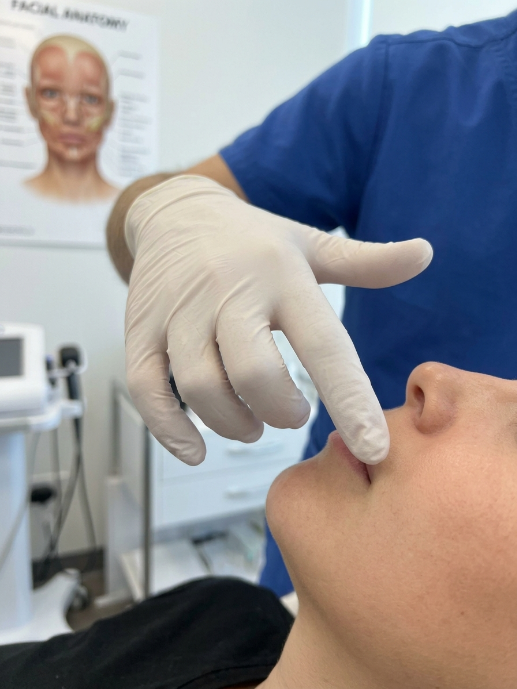
- No Blowing Your Nose: This is one of the most important rules. Blowing your nose creates immense internal pressure that can damage the internal sutures or cause bleeding. If you need to sneeze, do so with your mouth open to redirect the pressure.
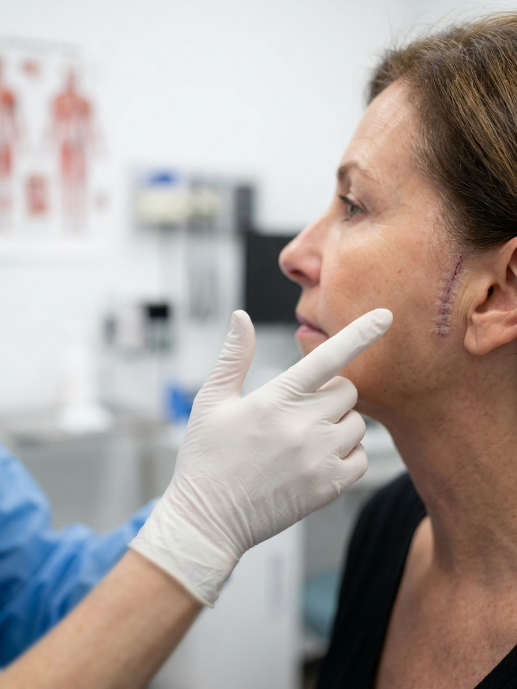
- Cleaning the Incisions: Use a cotton swab dipped in hydrogen peroxide or saline to gently clean the visible incision lines, followed by a thin layer of prescribed antibiotic ointment to keep the area supple.
The Psychological Journey: Patience is a Virtue
Perhaps the most challenging aspect of rhinoplasty recovery is the mental game. It is common to experience a “post-op dip” where you may feel anxious about the initial swelling or the appearance of the nose immediately after the cast is removed. It is vital to remember that the nose you see at one month is not the final result.
The nasal tip is usually the last area for the swelling to subside, particularly in patients with thicker skin. Total resolution of edema and the final refinement of the nasal shape can take 12 to 18 months. Trusting the process and maintaining open communication with your surgeon, such as Prof. Dr. Selçuk İnanlı, will help you navigate this period with confidence. If you have concerns about the outcome of a previous surgery, understanding What is revision rhinoplasty can help you understand the complexities of secondary procedures.
Sun Protection and Scar Management
UV rays are the enemy of healing tissue. Sunlight can cause permanent hyperpigmentation (darkening) of the incision scars, making them much more noticeable. Furthermore, heat from the sun can cause the nose to swell even months after the surgery.
For the first year, it is essential to wear a wide-brimmed hat and apply a high-SPF mineral sunscreen to the nose whenever you are outdoors. If your surgery involved an external incision (open technique), protecting that small scar from the sun is the best way to ensure it fades into a nearly invisible line over time.
Long-Term Maintenance for Lasting Results
Once the initial recovery is over, the goal shifts to maintaining the health and appearance of your nose. Avoiding trauma remains important for the rest of your life, as the structural integrity of a surgically altered nose is slightly different from a natural one. Periodic follow-up appointments allow your surgeon to monitor the long-term stability of the results and ensure that the internal airways remain clear.
By following these comprehensive guidelines—from elevation and nutrition to choosing the right surgical technique and protecting your nose from the sun—you can ensure that your recovery is as fast and successful as possible. A well-managed recovery is the bridge between a successful surgery and a beautiful, life-changing result.
Sıkça Sorulan Sorular
How long should I keep my head elevated after rhinoplasty?
It is generally recommended to keep your head elevated at a 45-degree angle for at least the first 7 to 10 days following surgery. This practice is essential because it utilizes gravity to help drain fluids away from the facial tissues, significantly reducing the intensity of post-operative swelling and preventing the throbbing sensation that often occurs when lying flat. Even after the first week, many patients find that sleeping with an extra pillow for a full month helps manage the minor residual swelling that tends to fluctuate throughout the day.
When can I safely return to the gym and heavy exercise?
Patience is key when it comes to physical activity. While light walking is encouraged within 24 hours of surgery to promote circulation, you should avoid any strenuous cardiovascular exercise for at least 3 to 4 weeks. Heavy weightlifting, which involves straining and increased intracranial pressure, should be avoided for a minimum of 6 weeks. Engaging in intense activity too early can cause a spike in blood pressure, leading to renewed swelling, potential nosebleeds, or even a compromise in the final aesthetic outcome.
Is it normal to have difficulty breathing through my nose after surgery?
Yes, it is very common to experience nasal congestion and difficulty breathing through the nose during the first few weeks of recovery. This is primarily caused by internal swelling of the mucosal linings and the presence of internal splints or dressings. As the internal edema subsides and the surgeon removes any packing or splints (usually within the first week), your breathing will gradually improve. Using saline sprays as directed by your surgeon can help keep the passages clear and comfortable during this transition.
Why must I avoid smoking and alcohol during my recovery?
Smoking and alcohol are two of the biggest detractors from a healthy recovery. Nicotine acts as a vasoconstrictor, significantly reducing blood flow and oxygen delivery to the healing tissues, which increases the risk of infection and poor scarring. Alcohol, on the other hand, thins the blood and can lead to increased bruising and the risk of post-operative bleeding. Avoiding both for at least three weeks before and after your rhinoplasty is crucial for ensuring the best possible surgical results and a faster healing timeline.
When will the final shape of my nose be fully visible?
While the most dramatic changes are visible once the cast is removed after the first week, the final refinement of the nose takes much longer. About 70% of the swelling subsides within the first three months, but the remaining 30%—especially in the nasal tip—can take a full year or even up to 18 months to completely resolve. Factors such as skin thickness and the complexity of the surgery (such as revision cases) can influence this timeline, so it is important to remain patient as your results continue to evolve.