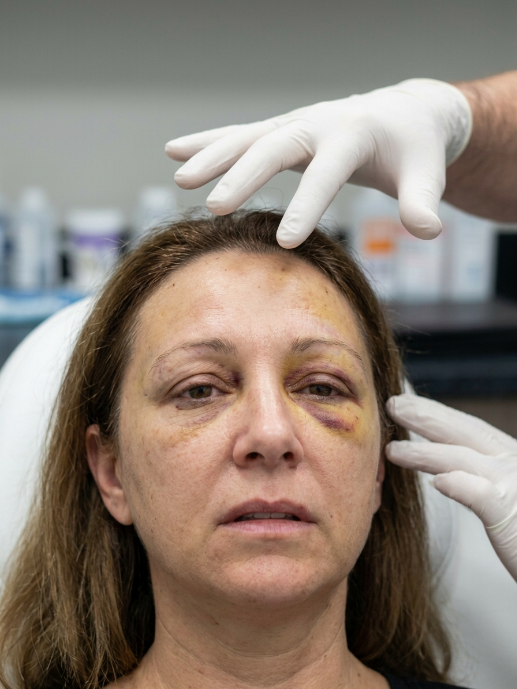
Will there be bruising and swelling after a forehead lift?
Will There Be Bruising and Swelling After a Forehead Lift? A Complete Recovery Guide
The decision to undergo a Forehead Lift, also known as a brow lift, is a significant step toward achieving a more youthful, rested, and vibrant facial appearance. As with any surgical procedure, understanding the postoperative phase is crucial for patient satisfaction and safety. One of the most common questions patients ask during their consultation with Prof. Dr. Selçuk İnanlı is: Will there be bruising and swelling after a forehead lift?
The short answer is yes. Bruising and swelling are natural, expected responses of the body’s immune system to surgical intervention. They are part of the inflammatory cascade necessary for healing. However, the extent, duration, and management of these symptoms vary significantly based on the surgical technique used, the patient’s physiological makeup, and the quality of postoperative care. In this exhaustive guide, we will explore everything you need to know about the recovery process, how to minimize downtime, and what to expect as your new contours emerge.
Understanding the Biological Basis of Swelling and Bruising
To understand why swelling (edema) and bruising (ecchymosis) occur, we must look at the anatomy of the forehead and the surgical process. During a forehead lift, the surgeon manipulates the skin, muscles, and sometimes the underlying periosteum (the membrane covering the bone) to reposition the brows and smooth out wrinkles. This manipulation inevitably disrupts small blood vessels and lymphatic channels.
The Inflammatory Response
When tissues are altered, the body sends a rush of white blood cells and fluids to the area to begin the repair process. This accumulation of fluid results in edema. Similarly, when tiny capillaries leak blood into the surrounding tissues, it manifests as bruising. In facial surgery, gravity plays a major role; fluid and blood often migrate downward, meaning that swelling from a forehead lift may eventually settle around the upper and lower eyelids, even if those areas were not directly operated upon.
Surgical Technique and Its Impact
The degree of postoperative symptoms is heavily influenced by the method chosen. For instance, an Endoscopic Forehead Lift is generally less invasive than a traditional coronal lift. By using small incisions and specialized cameras, surgeons can achieve the desired lift with less tissue trauma, often resulting in reduced bruising and swelling. Patients are encouraged to learn about the different types of forehead lift surgery to understand which approach best suits their anatomy and recovery goals.
The Recovery Timeline: What to Expect Day by Day
Recovery is not a linear process, but there is a general pattern that most patients follow. Understanding this timeline helps alleviate anxiety and allows for better planning of social and professional commitments.
Days 1 to 3: The Peak Phase
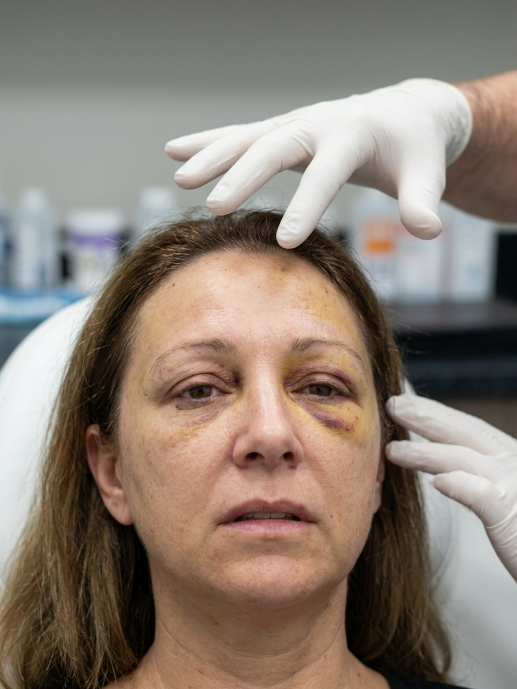
The first 72 hours are typically when swelling and bruising reach their maximum intensity. It is common to feel a sense of tightness across the forehead and around the eyes. Some patients may experience difficulty fully opening their eyes if the swelling is significant. During this time, the bruising may appear deep red or purple.
Days 4 to 7: Initial Subsiding
By the end of the first week, the acute inflammatory phase begins to wane. The deep purple bruises often transition to a greenish-yellow hue as the body reabsorbs the leaked blood cells. Most patients find that the initial tightness begins to soften, though the forehead may still feel numb or experience occasional itching—a sign that the nerves are healing.
Week 2: Visible Improvement
This is usually the turning point for social readiness. While some residual swelling remains, the majority of visible bruising can often be camouflaged with high-quality medical makeup. Many patients return to non-strenuous work activities during this period. It is essential to follow the specific recovery process after a facelift or forehead lift as prescribed by your surgeon to ensure the tissues settle correctly.
One Month and Beyond: Refining the Results
By the end of the first month, about 80-90% of the swelling has usually dissipated. However, the final refinements of a Forehead Lift can take several months to fully manifest. The tissues need time to firmly adhere to their new positions, and the internal scars must mature. Subtle swelling may fluctuate based on salt intake, hydration levels, and physical activity.
Factors That Influence the Severity of Symptoms
Every patient is unique, and several variables can dictate how much bruising and swelling you will experience.
1. Patient Age and Skin Elasticity
Younger patients with more robust circulatory systems may clear bruising faster, while older patients with thinner skin might show more visible discoloration. However, skin elasticity also plays a role in how the edema resolves.
2. Medication and Supplements
Certain substances increase the risk of bleeding and, consequently, bruising. Aspirin, ibuprofen, vitamin E, and herbal supplements like ginkgo biloba or garlic should be avoided for at least two weeks before surgery. Prof. Dr. Selçuk İnanlı provides a comprehensive list of restricted substances during the pre-operative consultation.
3. Smoking and Lifestyle
Smoking is a major deterrent to healthy healing. Nicotine constricts blood vessels, reducing the oxygen supply to the healing tissues. This not only increases the risk of complications but also prolongs swelling. Understanding the negative effects of smoking is vital for anyone considering facial rejuvenation.
4. Blood Pressure Management
High blood pressure (hypertension) can exacerbate postoperative bleeding and swelling. It is crucial that blood pressure is well-controlled both before and after the procedure.
Proactive Strategies to Minimize Bruising and Swelling
While you cannot entirely avoid these symptoms, you can take several steps to significantly reduce their impact and speed up your recovery.
Head Elevation
Keeping your head elevated at a 30 to 45-degree angle, even while sleeping, is perhaps the most effective way to reduce facial swelling. Gravity helps the lymphatic system drain excess fluid away from the surgical site. Using two or three pillows or a recliner chair for the first week is highly recommended.
Cold Compresses
Applying cold compresses or ice packs (wrapped in a soft cloth) to the eyes and forehead during the first 48 hours helps constrict blood vessels and limit the accumulation of fluid. It is important to apply the cold for 15-20 minutes at a time, followed by a break, to avoid skin damage.
Nutritional Support
A diet rich in protein, vitamins, and minerals supports tissue repair. Reducing salt intake is also critical, as sodium causes the body to retain water, which can worsen edema. Some surgeons recommend Bromelain (found in pineapple) or Arnica Montana to help reduce bruising, though you should always consult with your doctor before starting any supplements.
Avoiding Strenuous Activity
Bending over, lifting heavy objects, or engaging in vigorous exercise increases blood pressure in the head and neck. This can lead to renewed bleeding and increased swelling. Most surgeons advise waiting at least three to four weeks before returning to intense workouts.
When a Forehead Lift is Combined with Other Procedures
Many patients choose to combine a Forehead Lift with other aesthetic enhancements, such as blepharoplasty (eyelid surgery) or a facelift. While combining procedures offers a more comprehensive rejuvenation and requires only one anesthesia session, it does increase the total amount of bruising and swelling.
When the upper face and eyes are treated simultaneously, the swelling around the eyelids can be more pronounced. However, the overall recovery timeline remains relatively similar, with the most significant changes occurring in the first two weeks. Prof. Dr. Selçuk İnanlı specializes in creating balanced, natural results by carefully coordinating these procedures to respect the facial harmony.
Potential Complications and When to Contact Your Surgeon
While most bruising and swelling are harmless, it is important to distinguish between normal recovery and potential complications.
Hematoma
A hematoma is a localized collection of blood under the skin that is larger and more painful than standard bruising. If you notice a sudden, painful increase in swelling on one side of your forehead, contact your surgical team immediately.
Infection
Though rare in facial surgery, infections can occur. Signs include increasing redness, warmth at the incision site, fever, or unusual discharge.
Nerve Sensitivity
Temporary numbness or tingling is common, but persistent, severe pain or a total lack of movement in the brow should be evaluated by your surgeon.
Long-Term Maintenance of Your Results
Once the bruising and swelling have subsided, you will be able to enjoy the full benefits of your Forehead Lift. To maintain these results, a consistent skincare routine and sun protection are essential. Chronic sun exposure can damage the skin’s collagen and lead to the premature return of wrinkles. Using a broad-spectrum SPF and staying hydrated will help keep your forehead smooth and your brows in their rejuvenated position.
The Importance of Choosing an Expert Surgeon
The success of a Forehead Lift and the smoothness of the recovery process depend heavily on the skill of the surgeon. An expert like Prof. Dr. Selçuk İnanlı, with his deep understanding of facial anatomy and extensive experience in Facial Plastic Surgery, ensures that tissue trauma is minimized. By using advanced techniques and providing meticulous postoperative guidance, he helps patients navigate the recovery phase with confidence and achieve results that are both beautiful and enduring.
In conclusion, while bruising and swelling after a forehead lift are inevitable, they are temporary hurdles on the path to a refreshed appearance. By following professional advice, maintaining a healthy lifestyle, and being patient with your body’s natural healing rhythm, you can ensure a successful and rewarding transformation.
Sıkça Sorulan Sorular
How long does the most severe swelling last after a forehead lift?
The most intense swelling typically peaks within the first 48 to 72 hours following the procedure. During this window, patients may experience significant puffiness around the forehead and eyes. However, after the third day, the body begins to reabsorb the excess fluid, and the swelling starts to subside visibly. By the end of the first week, much of the acute edema has resolved, though subtle swelling may persist for several weeks or even months as the tissues fully settle into their new position.
Will I have black eyes after a brow lift surgery?
It is quite common to develop bruising around the eyes, sometimes resulting in a ‘black eye’ appearance, even though the incisions are made in the forehead or hairline. This occurs because gravity causes blood and fluid to migrate downward into the thinner skin of the eyelid area. While this can look alarming, it is a normal part of the healing process. Most of this discoloration will fade from purple to green and yellow before disappearing completely within 10 to 14 days.
Can I use makeup to cover the bruising during recovery?
Most surgeons allow the use of camouflage makeup once the incisions have sufficiently closed, which is usually around 7 to 10 days post-surgery. It is vital to use high-quality, non-comedogenic, or medical-grade makeup to avoid irritating the healing skin. You should always consult with your surgeon before applying any products near the incision sites to ensure you do not increase the risk of infection or disrupt the healing sutures.
Does the type of forehead lift affect the amount of bruising?
Yes, the surgical technique significantly influences postoperative symptoms. An endoscopic forehead lift, which uses small incisions and specialized instruments, generally results in less tissue trauma and, consequently, less bruising and swelling compared to a traditional coronal lift. However, regardless of the method, individual factors like your body’s tendency to bruise, your blood pressure, and your adherence to postoperative instructions like head elevation will also play a major role in your recovery experience.
What should I do if the swelling seems to be increasing after the first week?
While minor fluctuations in swelling are normal—often caused by increased activity or salt intake—a significant or sudden increase in swelling, especially if accompanied by pain, redness, or heat, should be reported to your surgeon immediately. This could potentially indicate a hematoma or an early infection. Prof. Dr. Selçuk İnanlı emphasizes the importance of close communication during the recovery period to ensure any rare complications are addressed promptly and effectively.