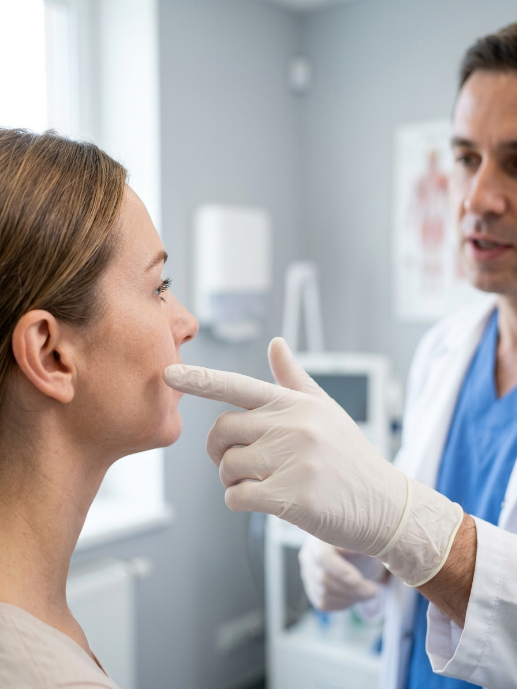
What should be avoided after cheek fat removal surgery?
What Should Be Avoided After Cheek Fat Removal Surgery? A Comprehensive Guide to Bichectomy Recovery
Introduction to Bichectomy Recovery
Cheek fat removal, medically known as Bichectomy, is a popular cosmetic procedure designed to create a more defined, chiseled facial structure by removing the buccal fat pads. While the surgery itself is relatively quick and often performed under local anesthesia, the success of the results depends heavily on the patient’s adherence to post-operative instructions. Many patients ask, “Is cheek fat removal a difficult procedure?” While the surgical technique is straightforward for an experienced specialist like Prof. Dr. Selçuk İnanlı, the recovery phase requires discipline to prevent complications and ensure the best aesthetic outcome.
Understanding what should be avoided after cheek fat removal surgery is the most critical component of the healing process. Because the incisions are made inside the mouth, the area is highly susceptible to infection, irritation, and mechanical trauma. This guide provides an exhaustive look at the forbidden activities, dietary habits, and lifestyle choices that could jeopardize your facial contouring results.
1. Avoiding Improper Dietary Habits
The most immediate concern after a bichectomy is the diet. Since the surgical site is located on the oral mucosa (the lining of the cheeks), everything you eat or drink comes into direct contact with the healing tissue.
Hot Foods and Beverages
For at least the first 3 to 5 days, you must strictly avoid hot soups, coffee, or tea. Heat increases blood flow to the area, which can significantly exacerbate post-operative edema (swelling) and potentially cause the incisions to bleed. Cold or room-temperature liquids are essential during the initial 48 hours to help constrict blood vessels and manage discomfort.
Hard, Crunchy, and Sharp Foods
Foods like chips, crusty bread, nuts, and raw vegetables are strictly forbidden for the first week. These items can physically scratch the incisions or get lodged in the sutures, leading to severe pain or localized infection. A liquid-to-soft diet—including smoothies, yogurt, mashed potatoes, and lukewarm pureed soups—is the standard protocol.
Spicy and Acidic Items
Spices, hot peppers, lemon juice, and vinegar act as chemical irritants to the internal cheek lining. Consuming these can cause a stinging sensation and prolong the inflammation of the buccal mucosa. Maintaining a bland diet helps the tissue heal without unnecessary chemical stress.
2. Avoiding Physical Strain and Strenuous Exercise
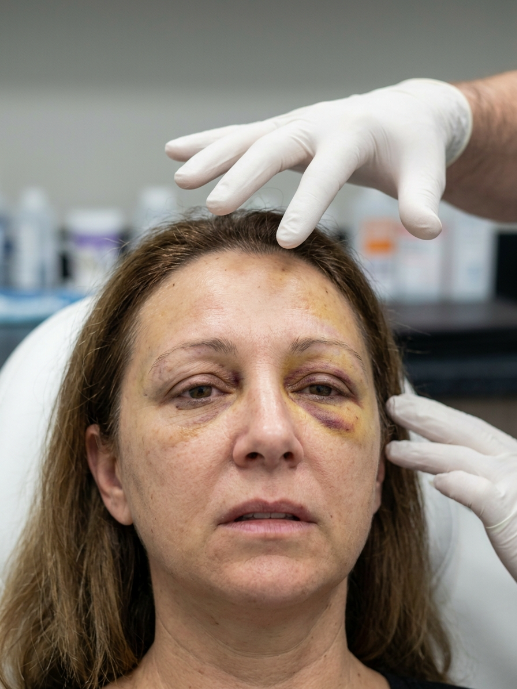
Many patients feel relatively well a day or two after the procedure and are tempted to return to their fitness routines. However, premature physical exertion is a leading cause of hematoma (blood collection under the skin) and prolonged swelling.
High-Intensity Interval Training (HIIT) and Cardio
Activities that significantly raise your heart rate and blood pressure must be avoided for at least two weeks. When blood pressure spikes, the delicate capillaries in the surgical site can leak, leading to increased facial swelling and a longer recovery time. Just as with the recovery process after a facelift, rest is the priority.
Heavy Lifting and Bending Over
Bending at the waist or lifting heavy objects increases intracranial pressure and blood flow to the head. This pressure can cause the internal sutures to pull or even burst, leading to internal bleeding. If you must pick something up, it is recommended to squat rather than bend over.
3. Avoiding Harmful Lifestyle Habits
Your body’s ability to heal is directly linked to your systemic health. Certain habits significantly impair the angiogenesis (formation of new blood vessels) required for tissue repair.
Smoking and Tobacco Use
Smoking is perhaps the single most detrimental habit during any surgical recovery. Nicotine causes vasoconstriction, which reduces the oxygen supply to the healing tissues in the cheeks. This can lead to tissue necrosis, delayed wound healing, and a much higher risk of infection. We often emphasize the negative effects of smoking in all facial surgeries, and bichectomy is no exception.
Alcohol Consumption
Alcohol acts as a vasodilator and a blood thinner. Consuming alcohol in the first week after surgery increases the risk of post-operative bleeding and can interfere with any prescribed pain medications or antibiotics. Furthermore, alcohol causes dehydration, which can make the oral environment more prone to bacterial growth.
4. Avoiding Poor Oral Hygiene Practices
Because the incisions are intraoral, the mouth’s natural bacteria pose a constant threat. However, being too aggressive with hygiene can be just as damaging as being too lax.
Vigorous Brushing and Flossing
While you must keep your teeth clean, you should avoid the surgical area with your toothbrush for the first few days. A soft-bristled brush should be used with extreme care. Accidental contact with the sutures can tear them, opening the wound to the oral cavity.
Using Alcohol-Based Mouthwashes
Standard over-the-counter mouthwashes often contain high concentrations of alcohol, which can dry out the oral mucosa and sting the incisions. Instead, your surgeon will likely prescribe a specialized antiseptic rinse or a gentle saltwater solution. Avoiding commercial mouthwashes is crucial to prevent chemical burns on the healing tissue.
Touching the Area with Tongue or Fingers
It is natural to be curious about the feeling of the stitches, but you must avoid “playing” with the incisions with your tongue. Similarly, never touch the inside of your cheeks with your fingers, as this introduces foreign bacteria directly into the wound.
5. Avoiding Medications and Supplements That Thin the Blood
Certain over-the-counter medications and herbal supplements can increase the risk of bleeding and bruising. These should be avoided for at least two weeks before and after the surgery.
* NSAIDs: Aspirin, ibuprofen, and naproxen should be avoided unless specifically cleared by your doctor.
* Vitamin E and Fish Oil: These are known to have anticoagulant properties.
* Herbal Teas: Green tea and certain herbal blends can also affect blood clotting.
Always consult with Prof. Dr. Selçuk İnanlı regarding which pain management options are safe for your specific case.
6. Avoiding Sun Exposure and Extreme Heat
While the incisions are internal, the external skin of the cheeks is still affected by the underlying trauma. UV radiation and extreme heat (such as from saunas or steam rooms) can worsen inflammation. Heat causes the tissues to expand, which increases the feeling of tightness and discomfort in the mid-face area. Keeping the face cool and avoiding direct sunlight helps in the rapid resolution of post-surgical bruising.
7. Avoiding Sleeping on Your Face or Side
Gravity plays a significant role in lymphatic drainage. After a bichectomy, the goal is to encourage fluid to move away from the face.
* Do not sleep flat: Sleeping without elevation allows fluid to pool in the cheeks, leading to extreme morning swelling.
* Avoid side-sleeping: Putting pressure on one side of the face can cause asymmetrical swelling and potentially displace the internal healing tissues.
It is recommended to sleep on your back with your head elevated by two or three pillows for at least the first week.
8. Avoiding Stress and Facial Mimics
Excessive talking, laughing, or wide yawning can put mechanical stress on the internal sutures. In the first 48 to 72 hours, it is best to keep facial expressions to a minimum. Constant movement of the cheek muscles (the buccinator muscle) can irritate the surgical site and lead to discomfort.
Summary of the Recovery Process
The road to a defined facial contour is paved with patience. While the initial swelling might hide the results for the first few weeks, avoiding the pitfalls mentioned above will ensure that once the edema subsides, you are left with a beautiful, natural-looking result. For more information on various procedures, you can explore our frequently asked questions about facial aesthetics.
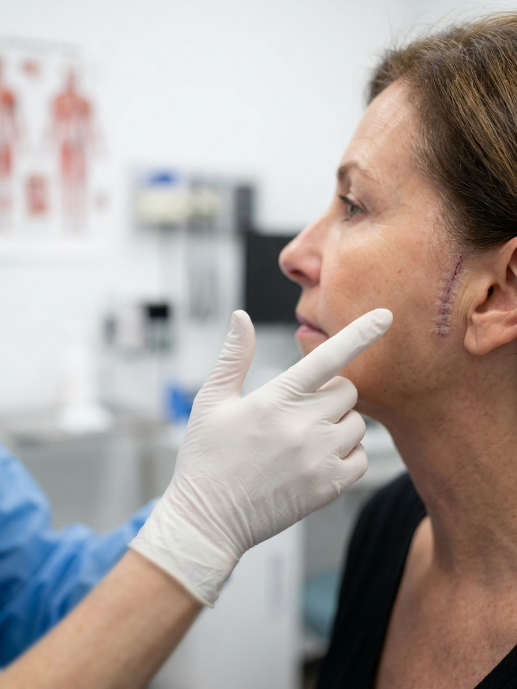
By following these guidelines and attending all follow-up appointments with your surgeon, you minimize the risks of infection, asymmetry, and scarring, allowing the artistry of the procedure to truly shine through. Your face is a delicate canvas; protecting it during the healing phase is the best investment you can make in your long-term appearance.
Sıkça Sorulan Sorular
How long after bichectomy can I eat solid foods?
Most patients are advised to wait at least 7 to 10 days before reintroducing solid, crunchy, or hard-to-chew foods. For the first few days, a strictly liquid diet is necessary, followed by a soft food diet (mashed potatoes, pasta, soft eggs). Prematurely eating hard foods can damage the internal sutures and increase the risk of infection by trapping food particles in the wound.
Can I brush my teeth normally after cheek fat removal?
You can brush your teeth, but you must avoid the surgical area in the back of the mouth for the first 3 to 4 days. Use a soft-bristled toothbrush and a very gentle motion. Instead of vigorous rinsing, let the water or prescribed antiseptic mouthwash fall out of your mouth naturally. This prevents the pressure of spitting from stressing the incisions.
When can I resume exercise after the procedure?
Light walking can usually be resumed after 2 or 3 days, as it aids circulation. however, strenuous exercise, heavy lifting, and any activity that causes heavy sweating or increased blood pressure should be avoided for at least 2 weeks. High-impact sports should be delayed for a full month to ensure the internal tissues are completely healed and resistant to trauma.
Why must I avoid smoking after a bichectomy?
Smoking is extremely dangerous after bichectomy because the nicotine constricts blood vessels, significantly reducing the oxygen and nutrients that reach the oral incisions. This not only slows down the healing process but also drastically increases the risk of the wound opening (dehiscence) or becoming infected. To ensure the best results and your safety, you should stop smoking at least two weeks before and after surgery.
Is it normal to have swelling on only one side after surgery?
While surgeons strive for perfect symmetry, it is very common for one side to swell more than the other during the first week. This can be due to the amount of fat removed, the patient’s sleeping position, or individual healing rates. However, if the swelling is accompanied by extreme pain, redness, or a foul taste in the mouth, you should contact your surgeon immediately to rule out a hematoma or infection.
Will Tonsillitis Recur After Tonsil Surgery? A Comprehensive Guide to Tonsillectomy Success
Understanding the Core Question: Can Tonsillitis Return?
For patients suffering from chronic or recurrent infections, the prospect of a tonsillectomy represents more than just a medical procedure; it is a promise of a higher quality of life. However, one of the most frequent questions asked in the consultation rooms of Prof. Dr. Selçuk İnanlı is: “Will tonsillitis recur after tonsil surgery?” To answer this, we must first understand what tonsillitis is and what the surgery actually accomplishes.
Tonsillitis is the inflammation of the palatine tonsils, the two oval-shaped pads of tissue at the back of the throat. When these tissues are surgically removed, the primary site of infection is gone. Technically, you cannot have “tonsillitis” if you no longer have palatine tonsils. However, the human throat is a complex environment, and patients may still experience sore throats or infections in nearby tissues that mimic the symptoms they had before surgery. In rare biological instances, a small amount of tissue can regrow, leading to what is known as tonsillar regrowth.
The Anatomy of the Throat and Waldeyer’s Ring
To understand why some patients feel like their tonsillitis has returned, we must look at the Waldeyer’s ring. This is a circular arrangement of lymphoid tissue in the pharynx. It includes:
- Palatine Tonsils: The ones usually referred to when we say “tonsils.”
- Adenoids (Pharyngeal Tonsils): Located high in the throat, behind the nose.
- Lingual Tonsils: Located at the very back (base) of the tongue.
- Tubal Tonsils: Located where the Eustachian tubes open into the throat.
When a surgeon performs a tonsillectomy, they are removing the palatine tonsils. If the patient also suffers from enlarged adenoids, an adenoidectomy may be performed simultaneously. However, the lingual tonsils are rarely removed unless they cause specific problems like obstructive sleep apnea. If the lingual tonsils become infected later in life, the patient may experience pain that feels identical to their old tonsillitis.
The Biological Phenomenon of Tonsillar Regrowth
While it is uncommon, it is biologically possible for tonsil tissue to regrow. This usually happens if a small remnant of the tonsillar capsule or lymphoid tissue is left behind during the initial operation.
Why Does Regrowth Occur?
Tonsillar regrowth is more frequent in children than in adults. This is because children have highly active lymphoid systems. Their bodies are in a constant state of “training” the immune system, and the stimulus to grow lymphoid tissue is very strong. If even a microscopic amount of tissue remains, it can proliferate over years.
In adults, the lymphoid tissue is generally less active and more fibrotic, making regrowth extremely rare. The surgical technique also plays a role. Modern methods like coblation or thermal welding aim for a clean removal of the tissue from the tonsillar fossa, significantly reducing the risk of remnants. If you are considering this procedure, you might also be interested in Other ENT Operations that address similar airway issues.
Differentiating Between Tonsillitis and Pharyngitis
Many patients who believe their tonsillitis has recurred are actually suffering from pharyngitis. Pharyngitis is the inflammation of the pharynx (the throat lining) rather than the tonsils themselves.
Symptoms of pharyngitis include:
* Generalized throat pain.
* Pain when swallowing.
* Redness in the back of the throat.
* Scratchy or dry sensation.
Because the tonsils act as a “shield,” their removal sometimes allows pathogens to affect the throat lining more directly in the short term. However, these infections are usually much less severe than the peritonsillar abscesses or chronic infections that necessitate surgery in the first place. It is important to consult an ENT Specialist like Prof. Dr. Selçuk İnanlı to determine the exact cause of post-surgical throat pain.
Lingual Tonsillitis: The Hidden Culprit
As mentioned, the lingual tonsils sit at the base of the tongue. After a successful palatine tonsillectomy, the body sometimes compensates by slightly enlarging the lingual tonsils. In some cases, these can become the new site of infection.
Lingual tonsillitis presents with:
* Pain deep in the throat.
* A sensation of a “lump” in the throat (globus sensation).
* Difficulty swallowing certain foods.
* Ear pain (referred pain).
Because these tonsils are difficult to see without a specialized mirror or endoscope, patients often assume their original tonsils have “grown back” or that the surgery failed. In reality, it is simply a different part of the Waldeyer’s ring reacting to pathogens.
Surgical Techniques and Their Impact on Recurrence
The method used by the surgeon can influence the long-term outcome. In the past, “partial tonsillectomies” (tonsillotomies) were more common to reduce post-operative pain. While effective for treating obstructive sleep apnea, they carry a much higher risk of recurrence because tissue is intentionally left behind.
Prof. Dr. Selçuk İnanlı utilizes advanced surgical approaches to ensure that the diseased tissue is thoroughly addressed while preserving the surrounding muscle and mucosa. This precision is vital for a smooth recovery. For information on the healing timeline, you can read about when you can return to work or school after tonsil surgery.
Can Adenoids Grow Back Too?
Since the adenoids are made of similar lymphoid tissue, many patients ask if they share the same risk of regrowth. The answer is yes. In fact, adenoid regrowth is slightly more common than tonsil regrowth because of their location. The adenoids are situated in the nasopharynx, an area that is harder to visualize completely during surgery. If a child has an allergy or chronic sinusitis, the constant inflammation can trigger any remaining adenoid cells to grow. You can find more detail on this specific topic here: can adenoids grow back.
Managing Expectations After Surgery
It is vital to have realistic expectations. A tonsillectomy is highly effective at stopping recurrent strep throat and tonsillar stones (tonsilloliths). However, it does not make a person immune to all respiratory viruses or bacteria. You can still get the common cold, the flu, or laryngitis.
What changes after surgery is the frequency and severity of the illnesses. Most patients find that they no longer require multiple rounds of antibiotics each year and that they miss fewer days of work or school. The “recurrence” of a sore throat is usually a minor viral event rather than the debilitating infection they were used to.
The Role of Allergies and Acid Reflux
Sometimes, what feels like recurring tonsillitis is actually caused by external factors like allergic rhinitis or Laryngopharyngeal Reflux (LPR).
* Post-nasal drip: Caused by allergies, this can irritate the throat tissues, leading to chronic inflammation.
* Acid Reflux: Stomach acid rising into the throat can cause “silent reflux,” which burns the delicate lining of the pharynx, mimicking the pain of tonsillitis.
If a patient continues to experience throat pain after a tonsillectomy, an ENT specialist will investigate these secondary causes rather than assuming the tonsils have returned.
When is a Second Surgery Necessary?
In the very rare event that significant regrowth occurs and the patient begins to suffer from the same symptoms (sleep apnea or infections), a revision tonsillectomy might be considered. This involves removing the new growth of lymphoid tissue. However, this is extremely uncommon. Most “regrowths” are small, asymptomatic bumps that do not require further intervention.
Immunological Impact: Does Surgery Weaken the Body?
A common myth is that removing the tonsils leaves the body defenseless. Scientific studies have consistently shown that the immune system remains fully functional after a tonsillectomy. The remaining lymphoid tissue in the throat and the rest of the body’s vast immune network (lymph nodes, spleen, bone marrow) easily compensate for the loss. In fact, removing a source of chronic infection often improves the overall health of the immune system, as it is no longer constantly fighting a localized battle in the throat.
The Importance of Expert Diagnosis
If you are experiencing throat issues, the expertise of a senior surgeon is invaluable. Prof. Dr. Selçuk İnanlı, with his extensive background in Facial Plastic Surgery and Otorhinolaryngology, ensures that every patient receives a tailored diagnosis. Whether the issue is truly the tonsils, a deviated septum affecting breathing, or chronic sinusitis, a comprehensive approach is necessary for a permanent solution.
Post-Operative Care to Prevent Complications
To ensure the best long-term results and prevent the formation of excessive scar tissue (which can sometimes be mistaken for regrowth), following post-operative instructions is crucial. This includes:
* Staying hydrated to keep the surgical site moist.
* Avoiding scratchy or acidic foods during the first two weeks.
* Managing pain effectively to allow for normal swallowing.
* Monitoring for any signs of bleeding or unusual swelling.
By following these steps, the tissues heal smoothly within the tonsillar pillars, leaving a clear and healthy airway.
Final Thoughts on Tonsillectomy Success
In summary, while the specific disease known as tonsillitis cannot technically recur once the palatine tonsils are removed, the throat remains a dynamic part of the body. Understanding the difference between tonsillar regrowth, lingual tonsillitis, and pharyngitis is key to managing your health post-surgery. For the vast majority of patients, a tonsillectomy provides a definitive end to the cycle of chronic illness and antibiotic dependency.
Sıkça Sorulan Sorular
Can my tonsils actually grow back after they have been surgically removed?
While it is extremely rare, tonsil tissue can regrow if a small amount of lymphoid tissue or the tonsillar capsule is left behind during surgery. This is more common in young children because their immune systems are very active and stimulate the growth of lymphoid tissue. In adults, the risk of regrowth is negligible, and most cases of ‘recurring’ pain are actually infections in other parts of the throat lining, not the tonsils themselves.
Why do I still get sore throats even though I had a tonsillectomy?
A tonsillectomy only removes the palatine tonsils. You can still experience sore throats due to pharyngitis (inflammation of the throat lining), lingual tonsillitis (inflammation of the tissue at the base of the tongue), or viral infections like the common cold. Additionally, issues like acid reflux (LPR) or post-nasal drip from allergies can cause chronic throat irritation that mimics the feeling of tonsillitis.
Is lingual tonsillitis the same as regular tonsillitis?
Lingual tonsillitis affects the lymphoid tissue at the very back of the tongue, whereas regular tonsillitis affects the palatine tonsils on the sides of the throat. Because the symptoms—such as pain when swallowing and a feeling of fullness in the throat—are so similar, patients who have had their palatine tonsils removed often mistake lingual tonsillitis for a recurrence of their original problem.
Does having my tonsils removed increase my risk of other infections?
No, scientific evidence shows that a tonsillectomy does not weaken the immune system. The body has hundreds of other lymph nodes and lymphoid tissues that take over the role of the tonsils. In fact, many patients find that their overall health improves because the body is no longer burdened by a chronic, low-grade infection in the throat.
How can I tell if my tonsils are regrowing?
Regrowth typically appears as small, pinkish, fleshy bumps in the area where the tonsils used to be. Most of the time, these remnants are harmless and do not cause symptoms. However, if you notice these bumps along with a return of snoring, sleep apnea, or frequent infections, you should consult an ENT specialist to determine if they are significant enough to require medical attention.
Anahtar Kelimeler: